
3 Dec 2025
- 0 Comments
There’s a song that’s been bouncing around memes, TikTok clips, and late-night group chats - Hoes Odes: All My Friends Are Whores. It’s not a track you’d find on Spotify’s official charts. It’s not even a real song. But it’s real enough to make people pause. It’s the kind of line that sticks because it sounds like something you’ve heard before - maybe whispered in a bar, shouted in a viral video, or typed in a DM with a smirk. It’s crude. It’s catchy. And it’s loaded with meaning no one talks about out loud.
People throw it around like a joke, but underneath, it’s a mirror. A warped, broken one. And if you’ve ever scrolled through Instagram and seen someone you know tagging escourt paris in a post about "living your best life," you know the line isn’t just noise. It’s a symptom. A symptom of how we talk about sex, money, freedom, and shame in 2025.
It’s Not About the Words - It’s About the Power
The phrase "all my friends are whores" doesn’t mean what it says. Not literally. No one actually believes their friends are sex workers. But it does mean something else: that everyone’s playing a game, and the rules are written in invisible ink. You work late. You post polished selfies. You date someone for their connections. You accept a gift you can’t afford. You say yes when you mean no. You laugh at the wrong jokes. You smile through the awkwardness. And suddenly, you’re not just surviving - you’re performing.
That’s the real "whore" here. Not the person exchanging sex for money. The person exchanging authenticity for approval. The one who trades their boundaries for likes. The one who says "I’m fine" when they’re crumbling. The one who thinks their worth is tied to how many people want them - not who they are.
Where Did This Language Come From?
Words like "hoes" and "whores" didn’t just appear in rap lyrics and Twitter threads. They were borrowed. Taken from the margins, polished by pop culture, and turned into punchlines. The language of exploitation got recycled as humor. And now, it’s used to describe everyone from influencers to corporate climbers to college students doing side gigs.
It’s not new. In the 90s, women were called sluts for wearing short skirts. In the 2000s, they were called gold diggers for dating rich guys. Now? They’re called whores for having agency. The script changed. The punishment stayed the same.
And the men? They’re not called anything. They’re just "players." Or "entrepreneurs." Or "networkers." The double standard isn’t hidden - it’s the whole system.
The Mescort Economy
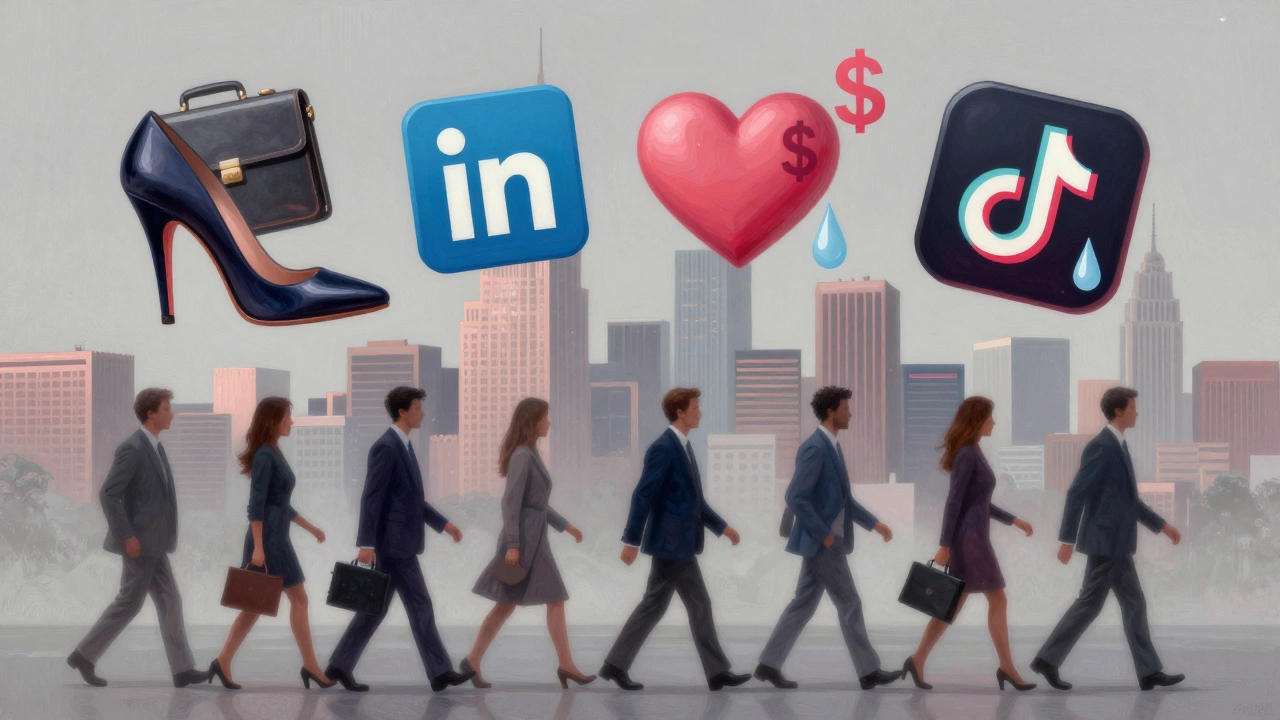
Let’s be clear: there’s a whole economy built around this kind of performance. You’ve seen it. The Instagram models with 200K followers who don’t post about their jobs. The LinkedIn profiles that say "freelance creative" but actually mean "paid companion for wealthy clients." The TikTok creators who say "I’m just being myself" while selling sponsored lingerie and "lifestyle" packages.
Enter mescort. Not a typo. Not a glitch. A real term used in underground forums, private groups, and encrypted apps. It’s short for "mutual escort" - a coded way of saying "I help you, you help me." No cash changes hands. But something does. A connection. A favor. A promotion. A DM that says "you’re beautiful" in exchange for a recommendation. It’s barter with a side of emotional labor. And it’s everywhere.
It’s not illegal. It’s not even shady. But it’s transactional. And it’s exhausting.
Escorts, Real and Imagined
There’s a difference between an escort and the myth of the escort. One is a person. The other is a symbol. A symbol of freedom. Of power. Of rebellion. Or of degradation. It depends on who’s speaking.
Real escorts - the ones who work legally in places like France or the Netherlands - don’t see themselves as "whores." They see themselves as professionals. They pay taxes. They have contracts. They set boundaries. They have clients who treat them with respect. And yes, some of them have Instagram pages. Some even use escort tou as a hashtag to reach clients in Tokyo or Toronto. They’re not part of the joke. They’re the ones living the reality the joke tries to mock.
Meanwhile, the rest of us? We’re just trying to survive. We’re selling our time, our attention, our energy. We’re curating our lives to fit someone else’s idea of success. And somewhere along the way, we started believing we had to earn our worth.
The Paris Effect
Paris isn’t just a city. It’s a fantasy. A place where people say "je ne sais quoi" and mean it. Where women walk barefoot on cobblestones and men buy them champagne without asking for anything in return. It’s the backdrop for every rom-com, every fashion campaign, every influencer’s "I quit my job and moved to Europe" story.
But Paris also has a dark side. The kind that shows up in private listings, discreet apartments, and hidden websites. That’s where escourt paris comes in - a misspelled search term that still pulls up thousands of results. People aren’t searching for the Eiffel Tower. They’re searching for escape. For validation. For a way to feel desired without having to be real.
And that’s the real tragedy. Not that people sell sex. That’s been around since humans had money. The tragedy is that so many people feel they have to sell *something* just to feel seen.

So What’s the Alternative?
You don’t have to become an escort. You don’t have to fake your life. You don’t have to be "cool" or "bold" or "unapologetic" to be worthy.
What if you just… stopped performing?
What if you posted a photo of yourself crying after a bad day? What if you admitted you didn’t know what you wanted? What if you said no - without explaining why? What if you stopped measuring your value by how many people DM you?
That’s not rebellion. That’s recovery.
The song "Hoes Odes: All My Friends Are Whores" isn’t a call to arms. It’s a cry for help. It’s the sound of people tired of pretending. Tired of being told their worth is tied to their availability. Tired of being labeled for choices they didn’t even make.
You’re not a whore because you dated someone rich. You’re not a whore because you took a job you didn’t love. You’re not a whore because you smiled when you felt like screaming.
You’re just human.
Breaking the Cycle
Change doesn’t start with a viral tweet. It starts with a quiet decision. To stop using the language that shames us. To stop laughing at jokes that hurt. To stop equating sex with sin, and money with sin, and confidence with sin.
Start by noticing when you use the word "whore" - even in your head. Ask yourself: who am I really judging? Myself? Someone else? The system?
Then, say something else. Something true.
"I’m tired."
"I need help."
"I’m not okay."
Those aren’t weaknesses. They’re the first steps out of the performance.